

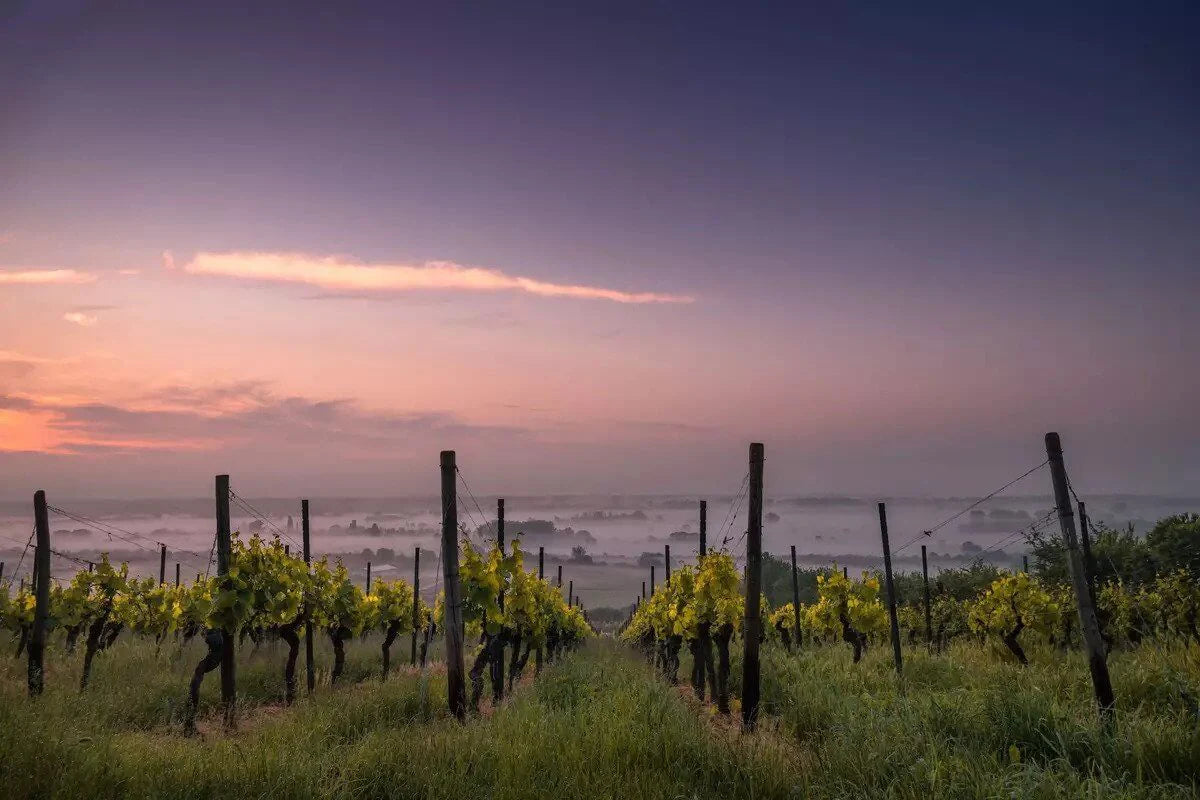

The biggest wine trends in 2026 are being shaped by tariff-driven price shifts on European imports, the rise of Portugal and indigenous-grape wines as smart-value alternatives, the mainstreaming of chillable reds and premium sparkling beyond Prosecco, and a generational shift where younger drinkers buy less wine but spend more per bottle.
For everyday buyers, the year rewards curiosity and penalizes brand loyalty to overpriced classics.
Key Takeaways
- A 15% tariff on European wine imports is now active, and the three-tier distribution system amplifies that cost — expect 25–50% retail price increases on many French, Italian, and Spanish bottles by mid-2026.
- Portugal is the consensus value play: indigenous grapes like Touriga Nacional deliver complexity rivaling wines at twice the price, and Portuguese exports are targeting €1 billion in 2026.
- Chillable reds (Gamay, Frappato, Zweigelt) and gastronomic rosé are erasing the old red-vs-white divide, creating a year-round middle category that’s become one of the fastest-growing segments on restaurant lists.
- The Sancerre price crisis is real: buyers and sommeliers are pivoting hard to Menetou-Salon, Quincy, Touraine, and Friulian Sauvignon Blanc — same geology, two-thirds the price.
- Gen Z isn’t killing wine — they’re rewriting the rules. Millennials now drink more wine than any other generation, and Gen Z’s drinking-age participation surged from 46% to 70% between 2023 and 2025.
The Tariff Tax: What 15% Really Means for Your Glass
If there’s one force reshaping the wine landscape in 2026, it’s the tariff math. Following months of uncertainty, a 15% tariff on European Union wine imports went into effect in August 2025 as part of a broader U.S.–EU trade deal. That number sounds modest until you understand how the three-tier distribution system works.

Note: Ranges are estimates based on industry reporting and three-tier markup modeling. Actual retail prices vary by market and retailer.
Here’s the reality: a tariff isn’t a flat surcharge on the retail price. It hits at the import level, then gets marked up by the distributor, then marked up again by the retailer or restaurant. One major Italian wine trade group estimated that a €5 bottle that used to land on U.S. shelves at around $11.50 could now retail for approximately $15 — and that’s before factoring in a weakened dollar that’s added another 10–15% in effective cost.
An NBER study analyzing previous European wine tariffs found that roughly 80% of tariff costs were passed forward to U.S. importers, with import price adjustments happening within three months but retail prices taking nearly twelve months to fully reflect the change. We’re in that lag window right now.
What this means at the buying desk: I’m having harder conversations with European producers than I’ve had in years. The brands that were already priced at the top of their category are becoming genuinely difficult to justify. The silver lining? Regions that were underpriced relative to quality — Portugal, parts of Spain, southern Italy — are suddenly the smartest money in the building.
The “Sancerre Problem” and the Wines Solving It
Sancerre has quietly become one of the least profitable wines on a by-the-glass list. Between rising producer prices, tariff pressure, and climate-driven yield reductions, sommeliers and retailers are calling it a margin crisis. You can’t sustain an $18–$22 pour cost on your most popular white and keep the lights on.
The solution isn’t to stop drinking mineral-driven Sauvignon Blanc. It’s to find the same thing for less. The smartest buyers in 2026 are pivoting to what insiders call “satellite appellations” — Loire Valley AOCs that sit on the same Kimmeridgian limestone as Sancerre but don’t carry the brand premium. Menetou-Salon, Quincy, and Reuilly produce wines that are virtually indistinguishable in a blind tasting, typically at 60–70% of the price.
Outside France, Friulian Sauvignon Blanc from northeastern Italy delivers a similar high-acid, mineral-driven profile and is increasingly appearing on the lists of forward-thinking wine programs. And Touraine, the broader Loire appellation, offers a gateway to the same flavor family at even lower entry points.
If you’re exploring crisp, mineral-driven whites, our collection of new arrivals includes several bottles in this style that deliver serious quality without the Sancerre tax.
Portugal Is the Value Play of the Decade

If you follow wine media at all, you’ve heard “Portugal is underrated” for a decade. In 2026, that’s no longer a prediction — it’s a purchasing strategy. As Bordeaux, Burgundy, and Napa inch further into luxury territory, Portugal is where the buying-desk math actually works.
The country has over 250 native grape varieties, modern winemaking has cleaned up what used to be occasionally rustic wines, and the price-to-quality ratio remains unmatched in the global market. Touriga Nacional from the Douro and Dão delivers the kind of structured, dark-fruited complexity you’d pay $40–$60 for in a Napa Cab or a classified Bordeaux — often for under $20.
The numbers tell the story: Portugal’s wine sector is targeting €1 billion in exports for 2026, with the U.S. remaining one of its largest markets. Industry leaders note that while U.S. exports took a hit from tariff uncertainty in 2025, average export prices have risen every year, reflecting a deliberate shift toward quality and premiumization.
Beyond Vinho Verde (which remains a solid warm-weather go-to), the regions to watch are Dão for elegant reds, Lisboa for everyday-drinking value, and the Alentejo for bold, ripe styles that feel familiar to California wine drinkers.
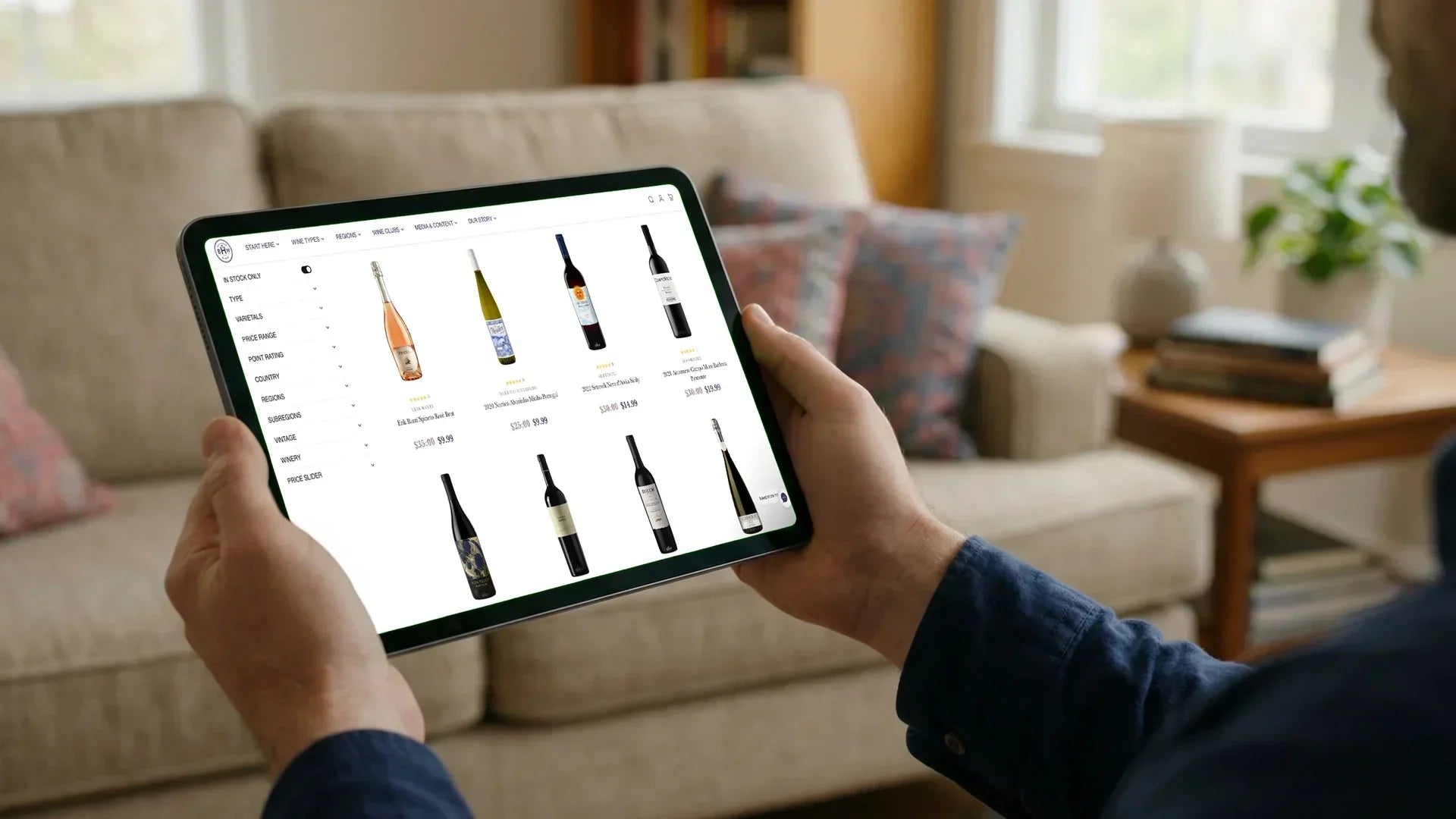
We carry several Portuguese producers at Big Hammer Wines. Browse the full collection and filter by region to find what fits your palate.
Chillable Reds and the Death of “Red Wine Weather”
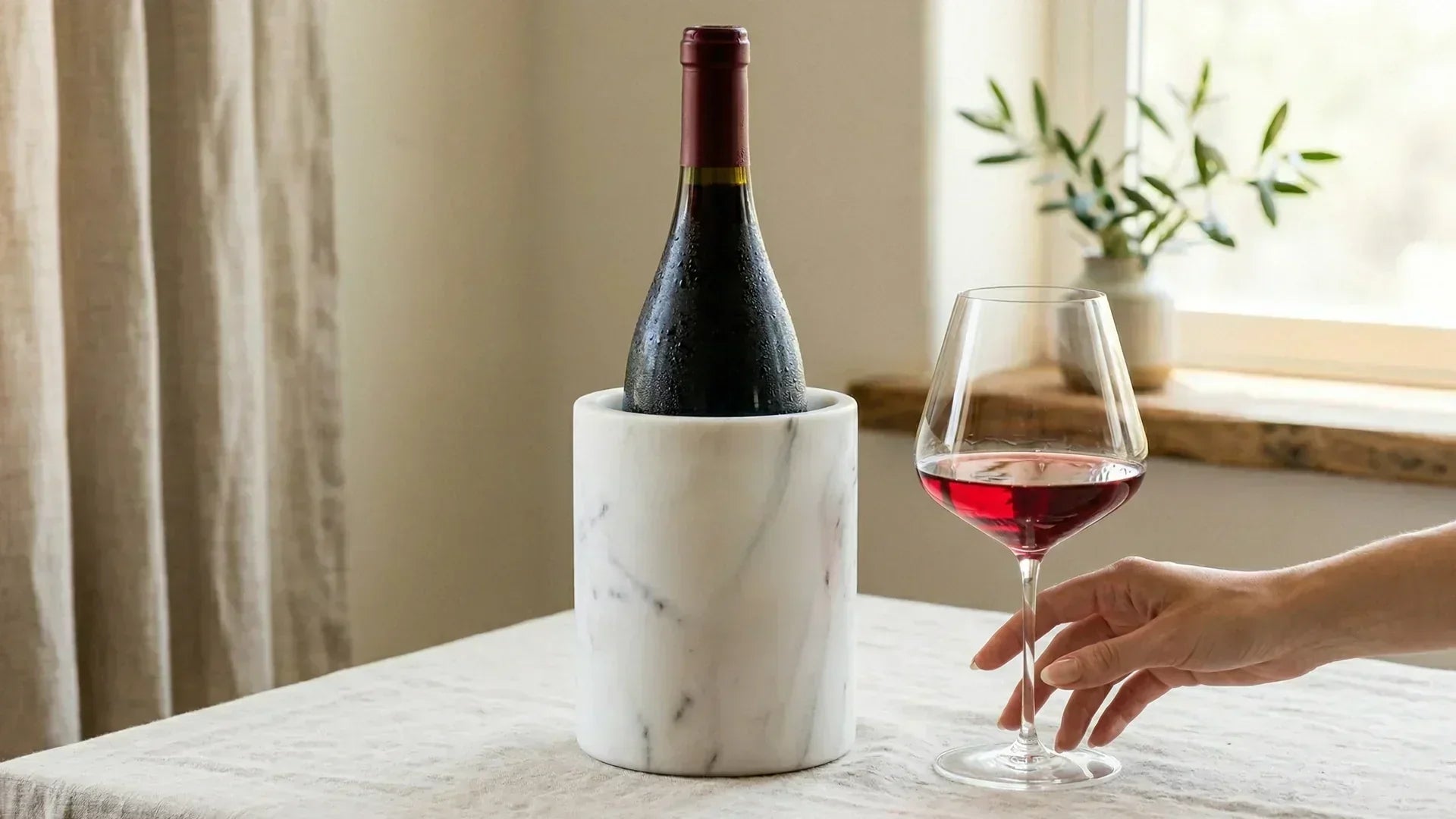
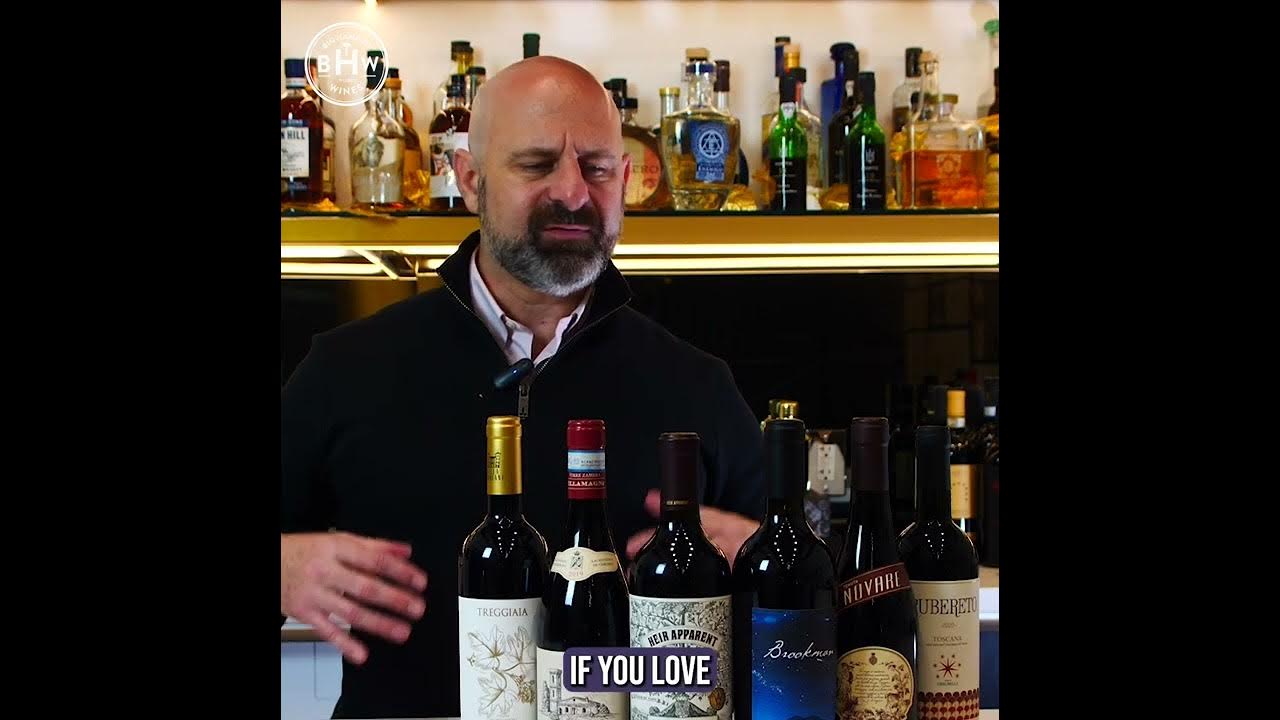
For years, the line between red and white wine was seasonal: whites in summer, reds in winter. In 2026, that binary is collapsing. The fastest-growing segment on restaurant wine lists is what the industry calls “chillable reds” — light-bodied, high-acid reds that are served with a slight chill, typically around 55–60°F.

Think Gamay from Beaujolais, Frappato from Sicily, and Zweigelt from Austria. These wines bridge the gap between the rosé drinker who wants more depth and the Cabernet drinker who wants something refreshing. They pair with everything from grilled fish to charcuterie, and they’re equally at home at a summer barbecue or a Tuesday dinner.
Meanwhile, rosé itself is evolving. The “pale and pretty” phase is maturing into what sommeliers are calling “gastronomic rosé” — darker, more structured wines like Tavel that can stand up to main courses. Rosé is no longer a seasonal fling; it’s a year-round category.
The takeaway for buyers: don’t wait for a temperature cue to decide what to drink. If you see a Beaujolais-Villages or a Sicilian Frappato on the shelf, throw it in the fridge for 20 minutes and experience the trend firsthand.
The Sparkling Shakeup: Beyond Prosecco

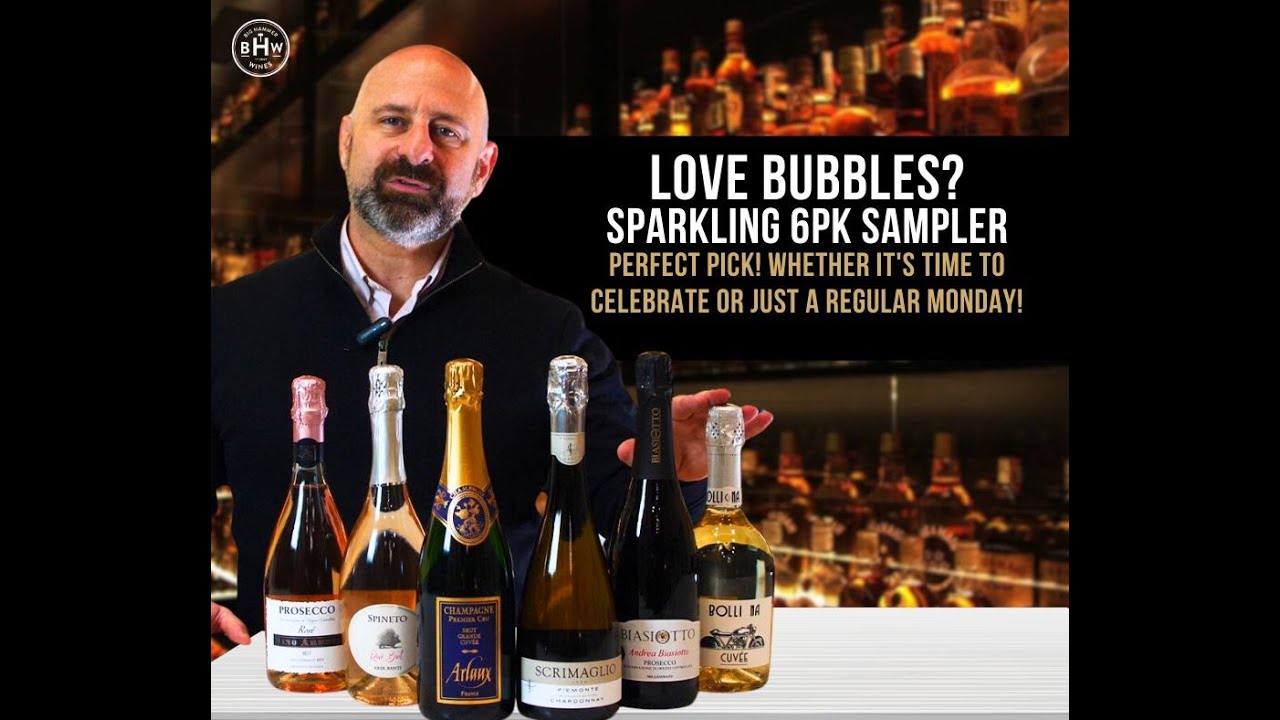
For the last five years, the sparkling category was basically Champagne (for splurging) and Prosecco (for everything else). That duopoly is over. In 2026, two categories are exploding: premium Cava and dry Lambrusco.
Cava Reserva and Gran Reserva — Spain’s answer to méthode traditionnelle sparkling — offer complexity that rivals non-vintage Champagne at a fraction of the price. Look for the aged designations; they signal wines that have spent extra time on lees, developing the toasty, biscuity depth that Champagne lovers crave.
Lambrusco, meanwhile, has undergone a complete rehabilitation. Forget the sweet, fizzy wine your parents drank. Modern dry Lambrusco is a serious, food-friendly sparkling red with bright acidity and deep berry fruit. It’s the kind of wine that makes you wonder why you’ve been paying three times as much for a flat entry-level Burgundy.
Younger drinkers are particularly drawn to sparkling as an all-day, all-occasion format. IWSR data shows Gen Z actively choosing sparkling wine over still red and white for casual meals and at-home relaxation — a behavioral shift that’s reshaping how retailers and restaurants think about their bubbles programs.
Gen Z Is Drinking Wine — Just Not the Way Boomers Did
The “Gen Z killed wine” narrative was always oversimplified. Recent data paints a more nuanced picture: IWSR found that the share of legal-drinking-age Gen Z consumers who reported drinking in the past six months surged from 46% in 2023 to 70% in 2025. Meanwhile, the Wine Market Council reports that Gen Z’s share of wine drinkers climbed 5 percentage points over the past two years. Millennials have officially surpassed Baby Boomers as the generation consuming the most wine in America.
The behavioral shift isn’t about drinking less. It’s about drinking differently. Younger wine consumers are buying fewer bottles but spending more per bottle. They discover wine through social media and travel rather than critics and scores. They gravitate toward authentic stories, sustainable practices, and approachable formats like cans and half-bottles. A 98-point score from a traditional critic is less compelling to this cohort than an engaging Instagram presence and a commitment to transparency in the vineyard.
For a merchant, this is good news. The “drink less, drink better” philosophy aligns perfectly with what family-produced, artisan wines have always offered: genuine stories, real people, and quality that doesn’t depend on a marketing budget.
Premiumization Is Real (and It’s Not Just Marketing)
The wine market is bifurcating. Wines priced under $10 are struggling as both producers and consumers move away from the segment. Wines above $15 are holding steady, and the $50-plus category continues to grow among affluent buyers and collectors. OhBev forecasts that overall U.S. wine volumes will remain flat in 2026, but market value is expected to rise 2–4%, driven entirely by premiumization and price increases rather than higher consumption.
This isn’t just a demographic story. Rising production costs — glass, corks, labor, energy — are pushing even entry-level producers upmarket out of necessity. The days of a genuinely good bottle under $8 are functionally over.
The opportunity for smart buyers: the $15–$30 range has never been more competitive. Producers from Portugal, Spain, southern France, Sicily, and parts of South America are delivering wines in this band that would have been unthinkable at these prices a decade ago. That’s where the best sellers in our collection tend to live — and it’s where we spend most of our buying energy.
The 2026 Smart-Buyer Decision Framework

Use this checklist the next time you’re standing in front of a wine wall or browsing an online collection:
1. Check the origin. European imports (especially French and Italian) may have jumped 15–25% since last year. Domestic wines and tariff-advantaged origins (Chile, Argentina, South Africa) may offer better relative value in the same style.
2. Look for indigenous grapes. Touriga Nacional, Nero d’Avola, Mencía, Grüner Veltliner, and Aglianico are among the grapes that consistently over-deliver on quality-to-price ratio because they lack the brand premium of Cabernet Sauvignon or Pinot Noir.
3. Rethink your sparkling strategy. If you’re defaulting to Prosecco for everyday bubbles, try a Cava Reserva or a dry Lambrusco. You’ll likely spend the same or less and get significantly more complexity.
4. Try a chillable red. Buy a bottle of Beaujolais-Villages, Frappato, or Zweigelt. Put it in the refrigerator for 20 minutes. Serve it with food. This is the easiest trend to test at home and the one most likely to change how you think about wine.
5. Follow the travel trail. If you’ve recently visited Portugal, Greece, or southern Italy, buy the wines you drank there. Wine tourism is one of the strongest purchasing drivers in 2026, and the wines are almost always cheaper Stateside than they were at the restaurant abroad.
6. Ask your merchant. Independent wine shops with knowledgeable staff are the single best resource for navigating tariff disruptions and finding smart alternatives. If they can’t explain why a wine is worth the price, it probably isn’t.
Wine Trends 2026 at a Glance

Mini-Glossary: Wine Terms You’ll Hear in 2026
Three-Tier System: The U.S. alcohol distribution model requiring wine to pass through an importer, a distributor, and a retailer before reaching consumers — each tier adding a markup. This is why a 15% tariff can translate to a 25–50% retail price increase.
Kimmeridgian Limestone: Ancient seabed fossil-rich soil found in Sancerre, Chablis, and satellite Loire appellations. Wines from this soil type tend to be mineral-driven, crisp, and age-worthy.
Indigenous Grapes: Grape varieties native to a specific region, such as Touriga Nacional (Portugal), Aglianico (southern Italy), or Mencía (northwest Spain). Often under-recognized and over-delivering on value.
Chillable Red: A light-bodied, high-acid red wine designed to be served lightly chilled (55–60°F). Examples include Gamay, Frappato, and Zweigelt.
Premiumization: The market trend of consumers buying fewer but more expensive bottles, prioritizing quality over quantity. The $15–30 range is the primary beneficiary in 2026.
Gastronomic Rosé: A darker, more structured rosé — like Tavel from the Rhône — with enough weight and complexity to pair with main courses, not just appetizers.
Méthode Traditionnelle: The Champagne method of sparkling wine production (second fermentation in bottle). Used by Cava, Crémant, and many premium New World sparklers outside Champagne.
BTG (By the Glass): Industry shorthand for wines sold by the glass at restaurants and bars. BTG programs are heavily influenced by pour cost margins, making them a barometer for pricing trends.
Sober-Curious: A cultural movement, especially among younger consumers, toward drinking less or exploring non-alcoholic alternatives, driven by wellness and health awareness rather than abstinence.
Satellite Appellation: A lesser-known wine region adjacent to a famous one, often sharing similar geology and climate but without the brand premium. Menetou-Salon is a satellite of Sancerre.
Frequently Asked Questions
1. How will wine tariffs affect prices in 2026?
A 15% tariff on European wine imports is now active. Due to the three-tier distribution system, this translates to roughly 25–50% higher retail prices on many French, Italian, and Spanish wines. The full impact is still flowing through to shelves and is expected to be fully reflected by mid-2026. Domestic wines and imports from non-EU countries (Chile, Argentina, New Zealand) are not subject to these specific tariffs.
2. What wines are replacing Sancerre in 2026?
Sommeliers and retailers are pivoting to “satellite” Loire Valley appellations — Menetou-Salon, Quincy, Reuilly, and Touraine — that share the same Kimmeridgian limestone geology as Sancerre and produce nearly identical wines at 60–70% of the price. Friulian Sauvignon Blanc from northeastern Italy is another popular alternative.
3. Is Portugal really the best wine value right now?
By almost every metric, yes. Portugal offers over 250 indigenous grape varieties, modern winemaking standards, and price-to-quality ratios that are unmatched globally. Touriga Nacional reds from the Douro and Dão frequently deliver $40–60 quality at under $20. The country is also less exposed to tariff disruption than France or Italy for U.S. buyers.
4. What are chillable reds, and why are they trending?
Chillable reds are light-bodied, high-acid red wines — like Gamay (Beaujolais), Frappato (Sicily), and Zweigelt (Austria) — that taste best served slightly cold, around 55–60°F. They’re trending because they bridge the gap between white and red wine, work year-round, and pair with a wide range of foods.
5. Are younger people actually drinking wine in 2026?
Yes, more than headlines suggest. IWSR data shows the proportion of legal-age Gen Z consumers who reported drinking in the past six months jumped from 46% in 2023 to 70% in 2025. The Wine Market Council reports millennials have surpassed Baby Boomers as the top wine-consuming generation. The shift is behavioral: younger drinkers buy fewer bottles but spend more per bottle and discover wine through social media and travel rather than critics.
6. What does premiumization mean for everyday wine buyers?
Premiumization means the market is shifting toward higher-quality, higher-priced wines while the sub-$10 category declines. For everyday buyers, the sweet spot is $15–30, where competition among producers is fierce and quality has never been higher. Wines from Portugal, Spain, southern France, and South America dominate this range.
7. What sparkling wines should I try instead of Prosecco?
In 2026, try Cava Reserva or Gran Reserva from Spain — méthode traditionnelle sparklers with Champagne-like complexity at a fraction of the price. Dry Lambrusco from Italy is another standout: a serious, food-friendly sparkling red that’s nothing like the sweet version from decades past.
Explore These Trends at Big Hammer Wines
Not sure where to start? Use the decision framework above, or check out our best sellers for the bottles that our customers keep coming back to.


























Share:
Chillable Red Wines: The Complete Guide to Reds You Should Be Refrigerating
Comments Section